


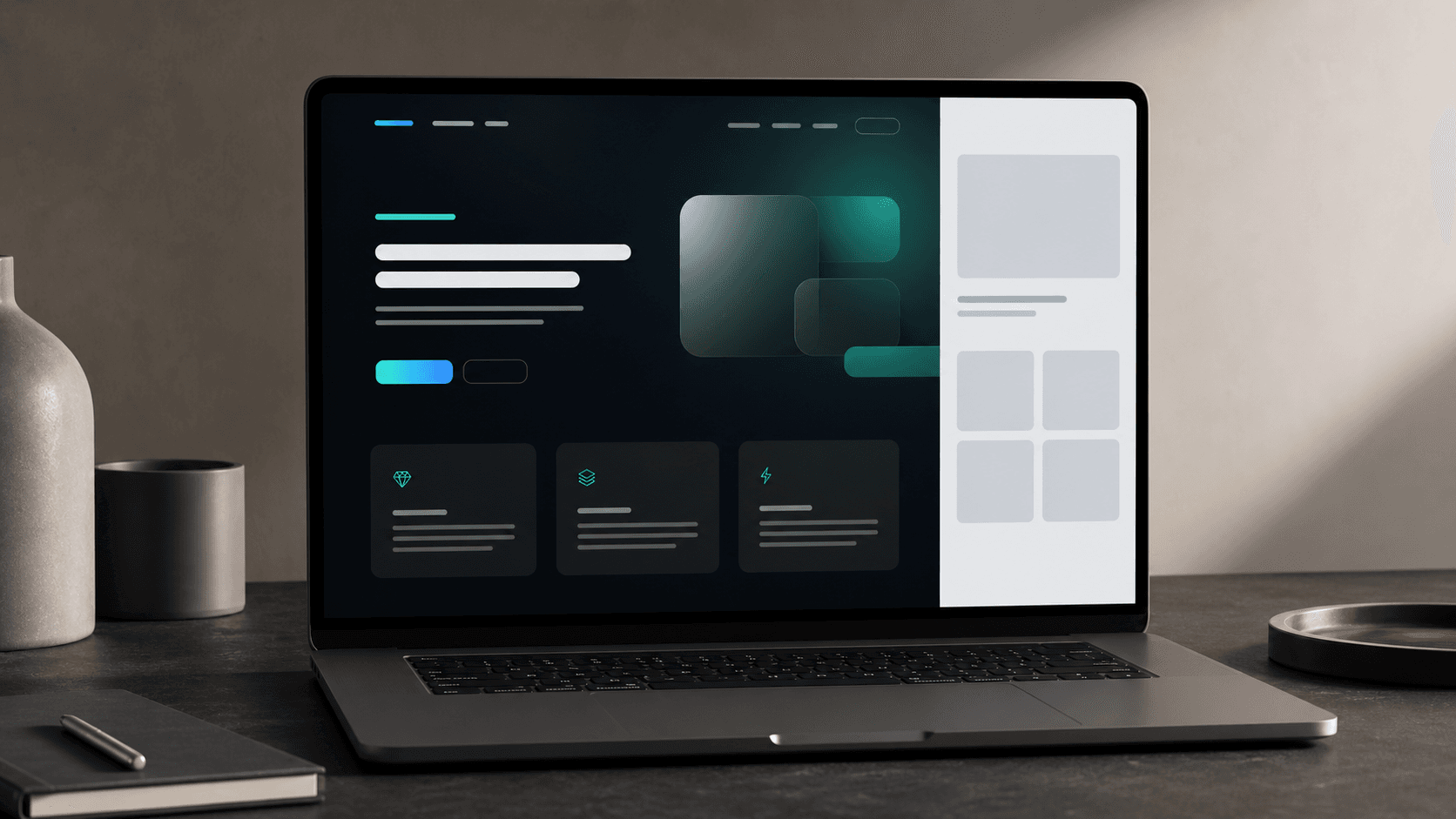
Why Cheap Websites Attract Cheap Leads: The Premium Website Strategy for High-Value Clients
A cheap website rarely just saves money. It shapes who trusts you, what kind of leads contact you, and whether high-value clients believe your business can deliver premium work.

Cheap websites do not only reduce design quality. They change the type of client a business attracts.
For a service business, agency, consultant, medical practice, legal firm, property company, construction firm, or high-ticket B2B brand, the website is often the first proof of seriousness. Before a buyer books a call, asks for a quote, or shares a project brief, they are quietly judging whether the business feels reliable, established, and worth a premium price.
If the site looks generic, slow, template-heavy, unclear, or underbuilt, the best buyers often leave without saying anything. The leads who stay are usually more price-sensitive, more skeptical, and more likely to compare the business like a commodity.
That is why premium website strategy is not decoration. It is positioning, trust-building, and sales enablement. A strong website filters for the right buyers before a conversation begins.
Cheap websites create low-trust signals
Most visitors cannot explain design theory, technical architecture, or conversion strategy. They can still feel when something is off.
A cheap website often creates small signals that add up quickly: generic hero copy, low-quality imagery, inconsistent spacing, weak mobile layout, vague service descriptions, slow loading, poor typography, outdated animations, missing proof, unclear calls to action, and pages that feel interchangeable with every competitor.
None of these details alone destroys trust. Together, they tell a buyer that the business may be less mature than it claims to be.
Premium buyers are usually not looking for the cheapest option. They are looking for reduced risk. They want to know the team understands their problem, can communicate clearly, has delivered credible work before, and will not create avoidable friction. A website that feels under-invested makes that decision harder.
Premium clients judge before they inquire
High-value clients rarely submit forms casually. They compare options quietly. They look at the homepage, service pages, portfolio, about page, contact experience, mobile experience, and sometimes the blog before making a move.
They are asking questions in the background:
- Does this company understand businesses like mine?
- Can they handle a serious project?
- Do they communicate with clarity?
- Is there proof behind the claims?
- Would I feel confident introducing this team to my partners or board?
A premium website answers these questions before the sales call. It does not rely on loud claims. It uses clear positioning, clean structure, strong proof, fast performance, thoughtful visuals, and a confident conversion path.
Why cheap websites attract cheap leads
Cheap websites attract cheap leads because they often compete on surface-level availability rather than value. If the site does not communicate expertise, process, outcomes, and credibility, the only thing many visitors can compare is price.
That creates a frustrating cycle. A business cuts corners on the website, the site attracts lower-quality inquiries, the team assumes online leads are poor, and then they hesitate to invest in a stronger digital presence. The real issue is not that online buyers are weak. It is that the website is sending the wrong signal to the market.
High-quality clients need a different path. They need to see a business that looks organized, intentional, and capable of handling meaningful work. A premium website gives them that confidence.
What a premium website does differently
A premium website is not simply prettier. It is more deliberate.
It makes the business easier to understand. It shows who the service is for, what problem is being solved, what the process looks like, what outcomes are realistic, and why the team can be trusted. The design supports that story instead of distracting from it.
A premium website also respects the buyer's time. It does not bury important information behind vague slogans. It helps visitors move from interest to confidence to action.
For Dionix, this is the core difference between a basic website and a serious business asset. Our website development work is built around positioning, performance, SEO structure, and conversion quality, not just visual polish.
The premium website checklist
If a business wants to attract better clients, the website should handle these foundations:
- Clear positioning: visitors should know who the business serves and why it is different within seconds.
- Specific service pages: each core service should have its own page with details, proof, FAQs, and a strong call to action.
- Strong visual system: typography, spacing, imagery, and layout should feel consistent and intentional.
- Portfolio or proof: case studies, client examples, testimonials, or project snapshots should reduce perceived risk.
- Fast performance: premium buyers do not wait around for slow pages.
- Mobile polish: many first impressions happen on mobile, especially from referrals and social links.
- Conversion paths: forms, calls, booking links, and CTAs should feel easy and trustworthy.
- Technical SEO: metadata, schema, sitemap coverage, internal links, and page structure should support long-term search visibility.
This is where modern frameworks like Next.js can help. A Next.js website can combine fast performance, strong technical SEO, flexible content structure, and polished design when it is planned correctly.
Premium does not mean overdesigned
Many businesses confuse premium with dramatic visuals, heavy animation, or luxury styling. That can work for some brands, but most high-value service businesses need something quieter and more useful.
Premium means the site feels considered. The hierarchy is clear. The copy is specific. The design has restraint. The proof is visible. The experience works on every screen. The brand feels credible without shouting.
In many industries, the most effective premium website is calm, fast, sharp, and easy to navigate. The buyer should feel that the company has taste, discipline, and operational maturity.
How to know your website is attracting the wrong leads
A website may be hurting lead quality if:
- Most inquiries ask for the cheapest option before discussing scope.
- Visitors do not understand what the business actually does.
- Sales calls spend too much time proving basic credibility.
- Referrals say they liked the business but the site felt outdated.
- Competitors with weaker delivery appear more trustworthy online.
- High-value services are hidden behind generic service copy.
These are not just design problems. They are business positioning problems. The website should support the sales process before a team member ever joins the call.
What to fix first
If the full rebuild is not ready yet, start with the pages that shape buyer confidence the most: the homepage, top service page, portfolio, about page, and contact flow.
Rewrite the hero section so it says what the company does, who it helps, and why it matters. Add proof close to the top of the page. Make the main service page more specific. Replace generic stock visuals with images, interface previews, project screenshots, or brand visuals that feel owned. Make the contact experience feel simple and serious.
Then build outward. Add supporting service pages, location pages where appropriate, helpful blog content, and stronger internal links. The goal is a site that compounds trust over time.
Where Dionix fits
Dionix builds premium websites for businesses that want to attract better clients, not just more traffic. That means strategy, design, development, performance, SEO structure, and conversion quality are planned together.
We work especially well with service businesses, B2B companies, startups, and established teams that need their website to reflect the quality of their real-world work. You can explore our portfolio or start with our premium website development service.
FAQ
Is a premium website worth it for a service business?
Yes, if the business sells high-value services where trust, clarity, and perceived expertise affect the sale. A premium website can improve lead quality, reduce friction in sales calls, and make referrals convert more confidently.
Does a premium website need to be expensive?
It needs to be properly planned and built. Cost depends on scope, content, design depth, integrations, SEO needs, and whether the site is a rebuild or a new project. The important question is whether the site supports revenue and positioning.
What is the difference between a template website and a premium website?
A template website usually starts from a generic structure. A premium website starts from the business strategy, buyer psychology, service model, brand positioning, content hierarchy, and technical requirements.
Can Dionix redesign an existing website?
Yes. Dionix can rebuild an existing business website with stronger positioning, cleaner UI, better performance, improved SEO structure, and a clearer path from visitor interest to qualified inquiry.
Continue Reading
View Website Development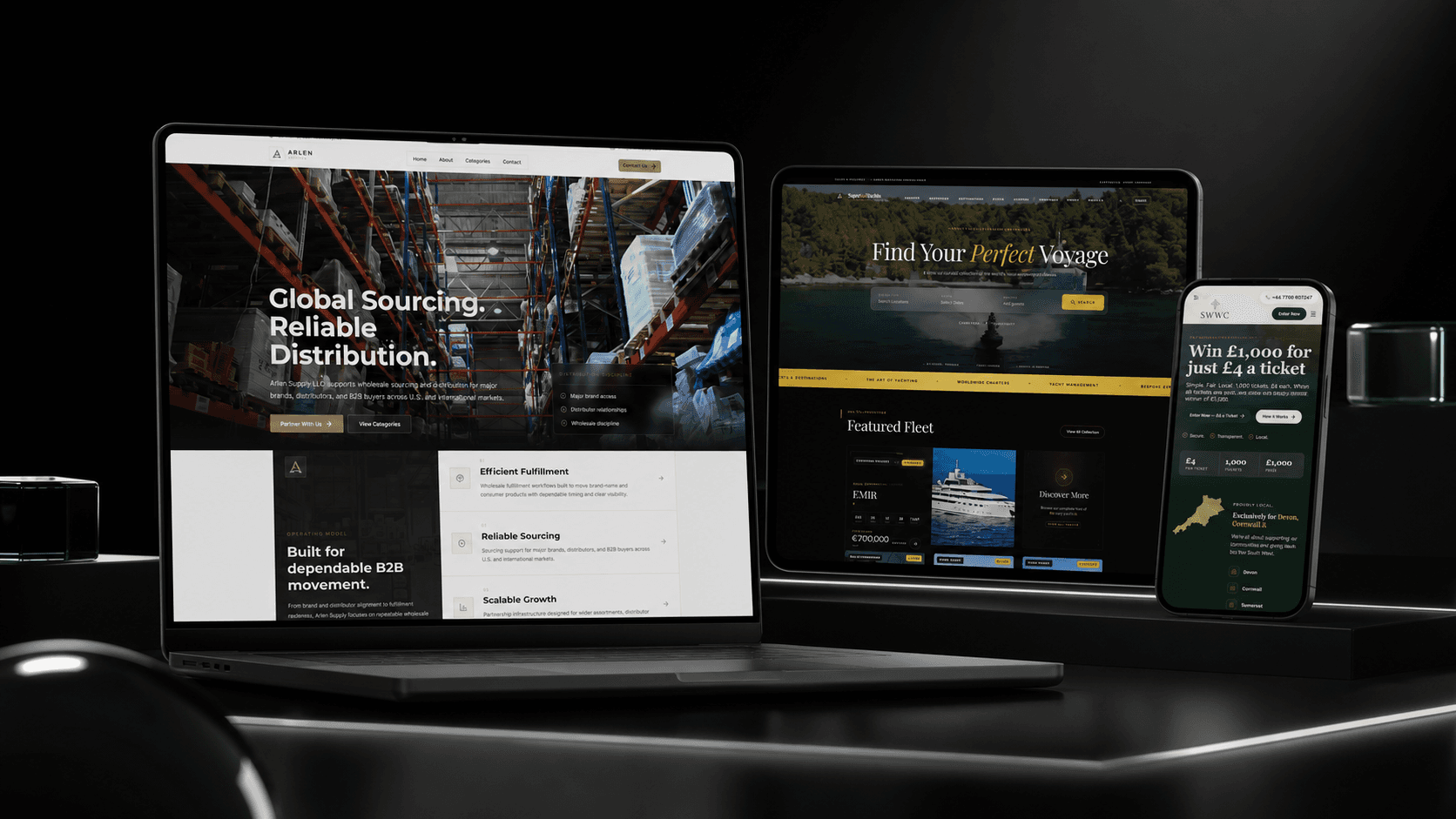
Business Website Development Guide: From Strategy to Launch
A practical guide to planning, designing, building, testing, and launching a business website that communicates value clearly and turns the right visitors into enquiries.
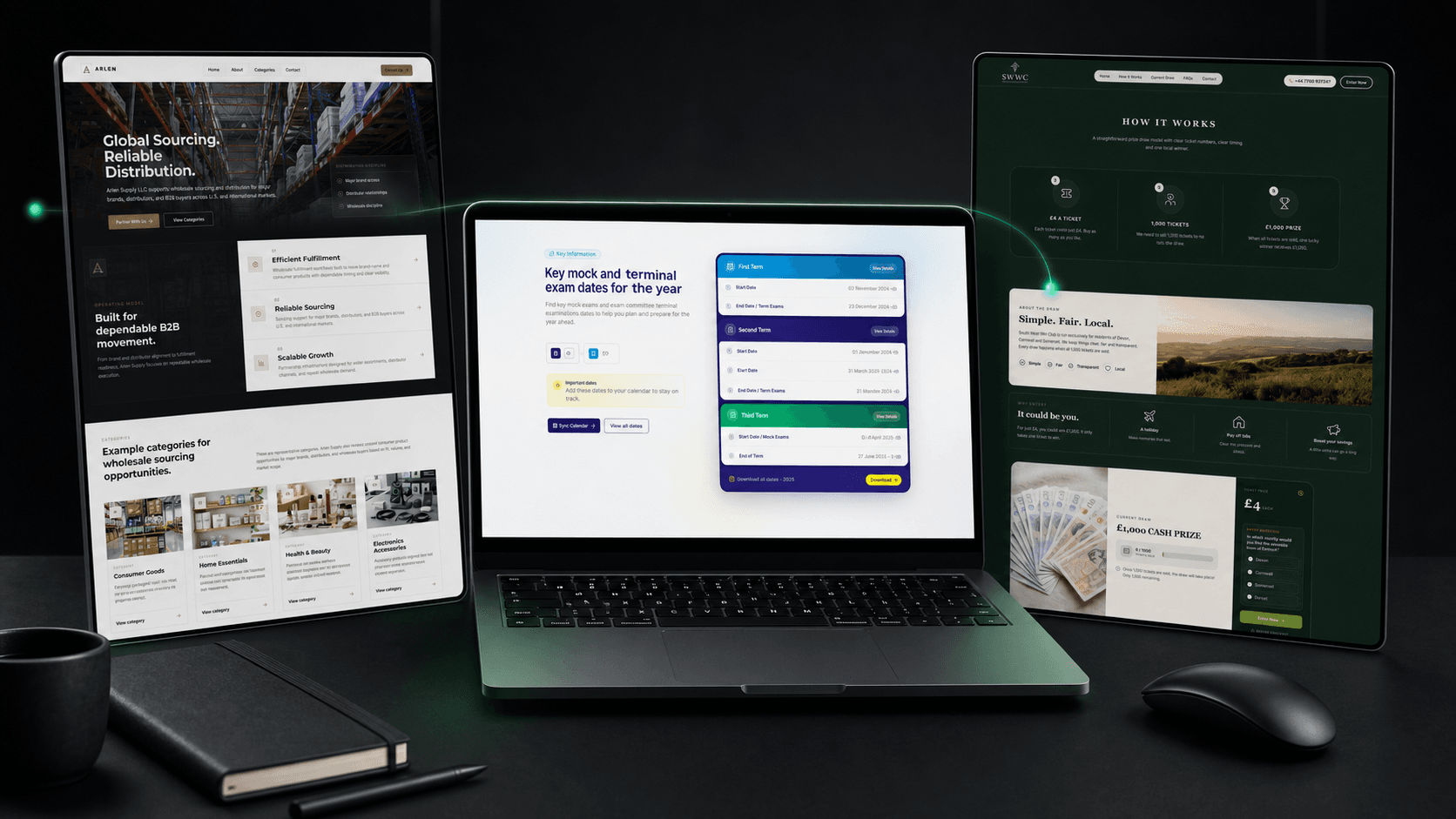
How Custom Software Development Works: A Buyer’s Guide
A practical buyer’s guide to custom software discovery, requirements, architecture, delivery, migration, rollout, and support—plus the decisions that prevent expensive rework.
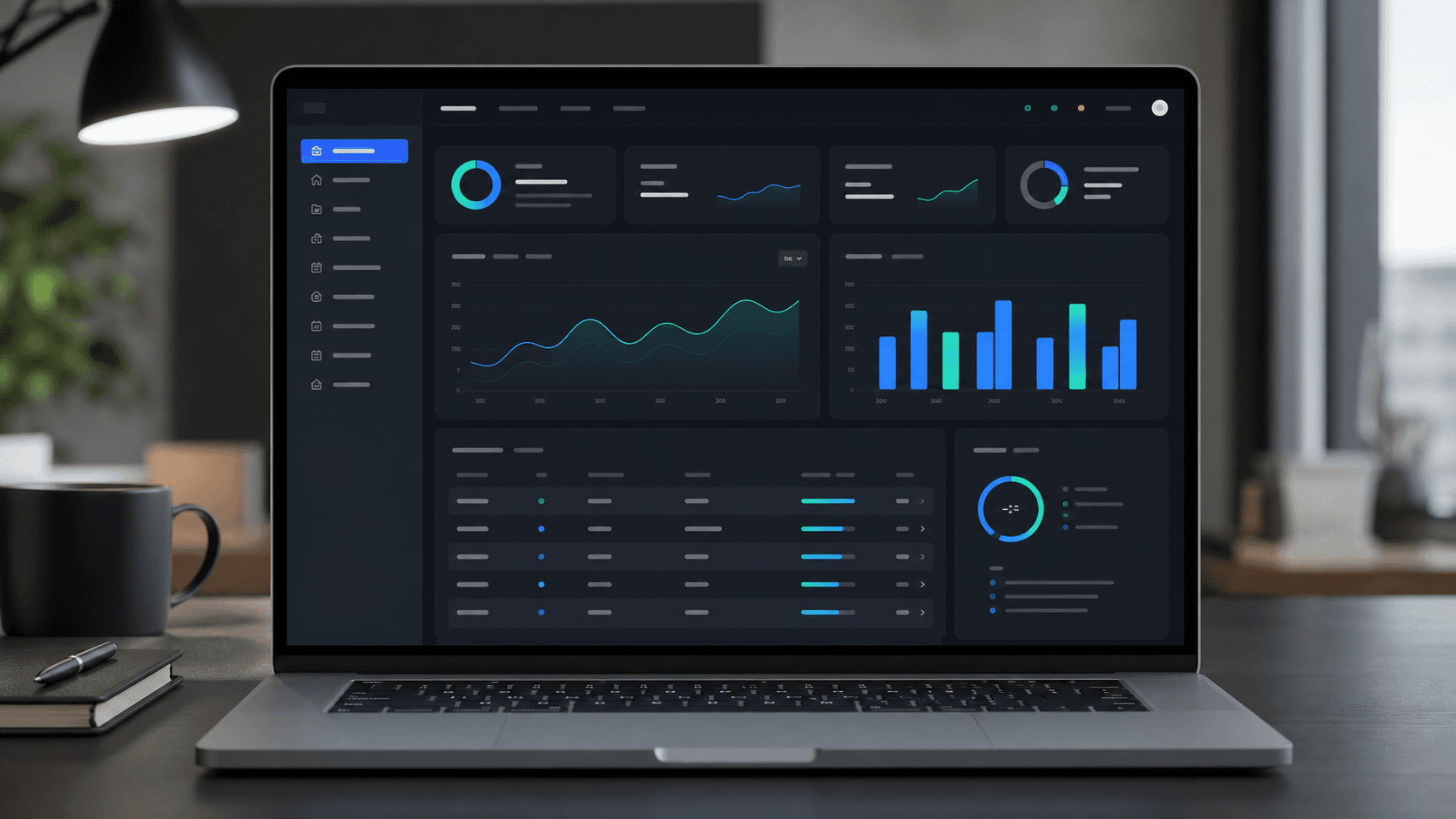
When to Build Custom Software Instead of Buying Another SaaS Tool
Buying another SaaS subscription can feel easier than building custom software, but growing businesses eventually need systems that match their workflows, data, permissions, and customer experience.